Free Resources
Practical tools to assess and improve your safety, environment and quality management.
The Business Environmental Quiz is a comprehensive, structured evaluation tool designed to measure a business's alignment with international environmental management system (EMS) principles, such as ISO 14001.
The "Business Quality Quiz" is a comprehensive, structured evaluation tool designed to measure a business's alignment with international quality management system (QMS) principles (such as ISO 9001).
This tool is designed to help PCBUs (Persons Conducting a Business or Undertaking) across Australia evaluate their current level of compliance with applicable state and federal Work Health and Safety (WHS) / Occupational Health and Safety (OHS) legislation, and identify opportunities for safety improvement.
This toolbox topic provides a practical framework for identifying and managing psychosocial hazards in the workplace using the SAFE approach (Spot, Assess, Flag, Engage). Implementing these strategies is essential for promoting wellbeing, reducing stress, and fostering a supportive culture that prevents risks from escalating into safety incidents.
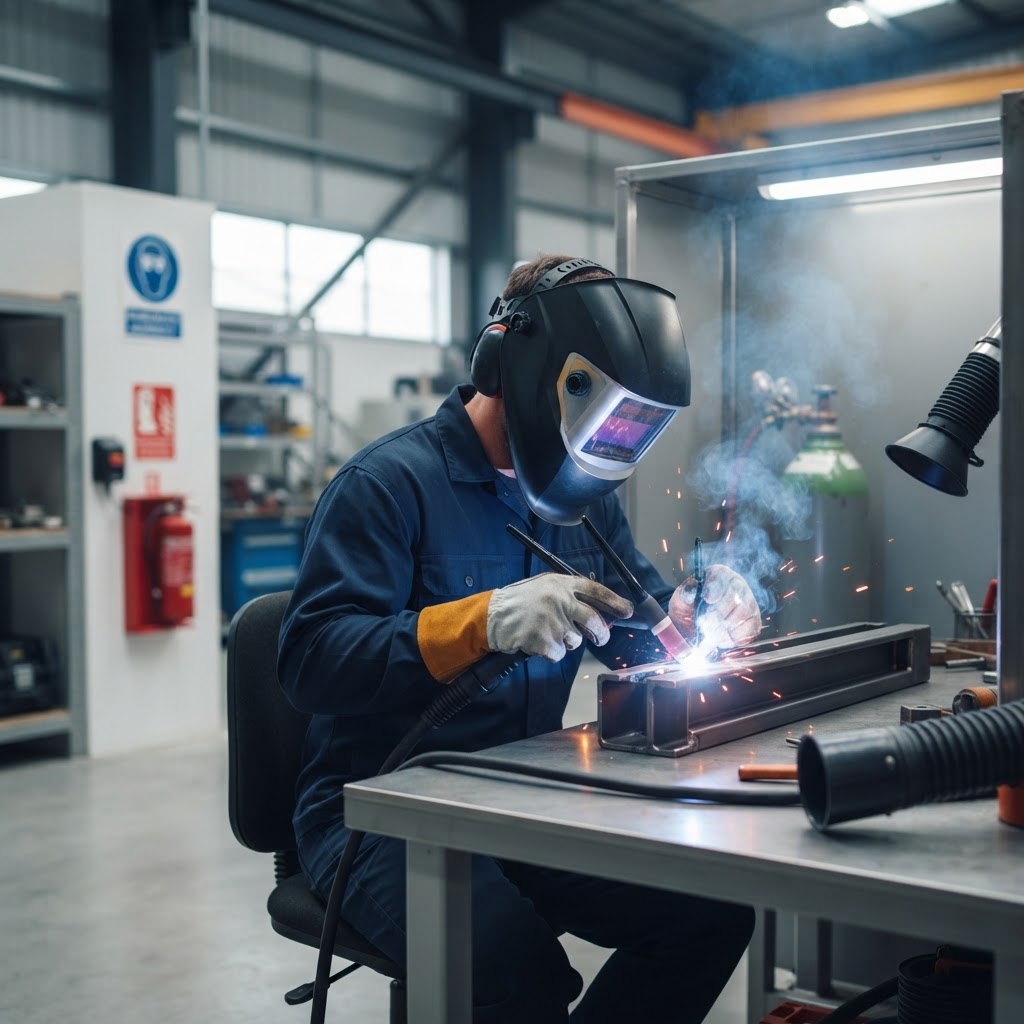
This welding toolbox topic outlines essential safety protocols, focusing on the W.E.L.D. framework: wearing appropriate PPE, eliminating fire hazards, maintaining air quality, and ensuring equipment is safely disconnected and inspected. Adhering to these practical steps is critical for mitigating high-risk hazards such as burns, toxic fume exposure, and electrical injuries in the workplace.
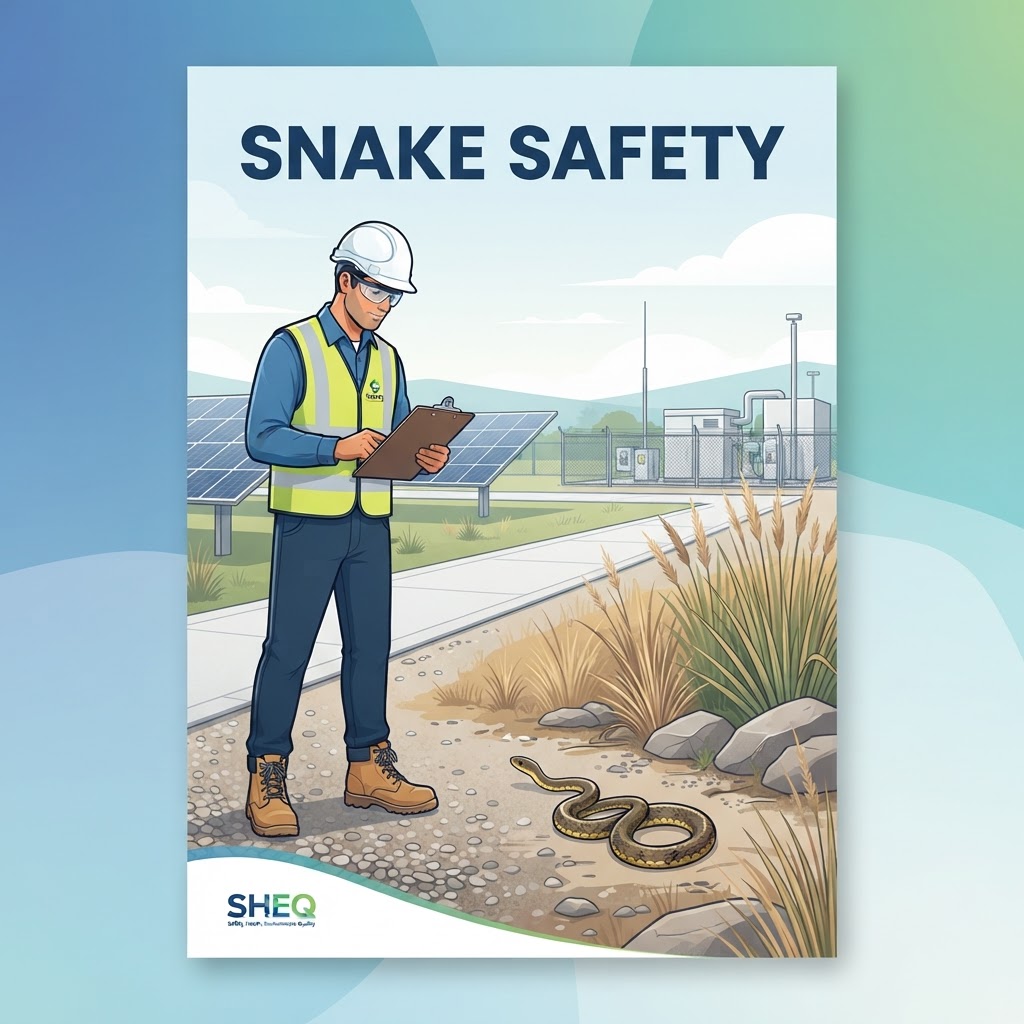
This toolbox topic provides essential guidance on snake safety, outlining the S.N.A.K.E. protocol to help workers identify, avoid, and safely respond to potential encounters. Implementing these practices is critical for minimizing workplace risks and ensuring employees are prepared to provide effective emergency aid in the event of a bite.
This toolbox topic outlines the H.E.A.R. framework (Hazard identification, Engineering controls, Access control, and Right PPE) to effectively manage noise exposure in the workplace. Implementing these strategies is vital because noise-induced hearing damage is often painless and permanent, making proactive protection essential for your long-term health.
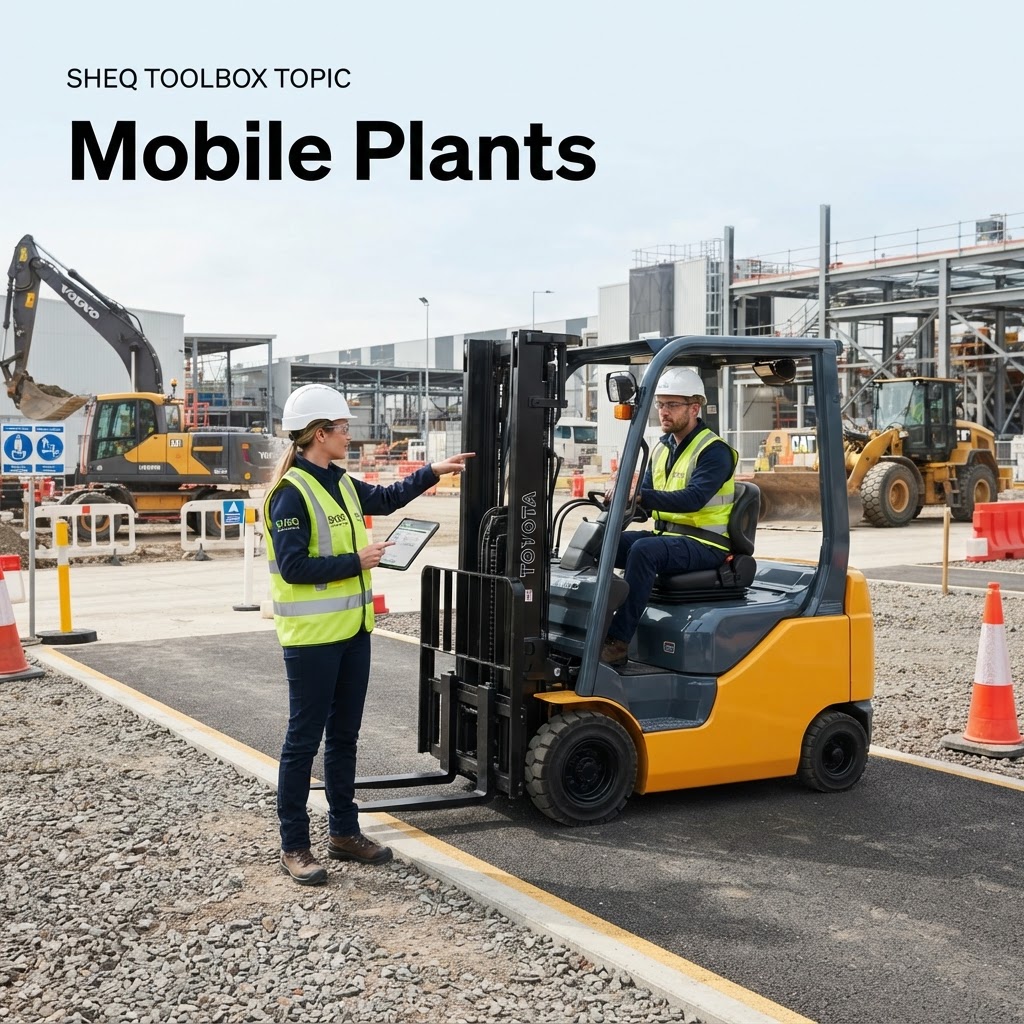
This toolbox topic outlines the S.A.F.E. (Separate, Aware, Follow systems, Engage early) interface control system designed to effectively manage the risks associated with mobile plant operations. Implementing these protocols is critical for preventing collisions between personnel and machinery, thereby ensuring a safer work environment for all employees.
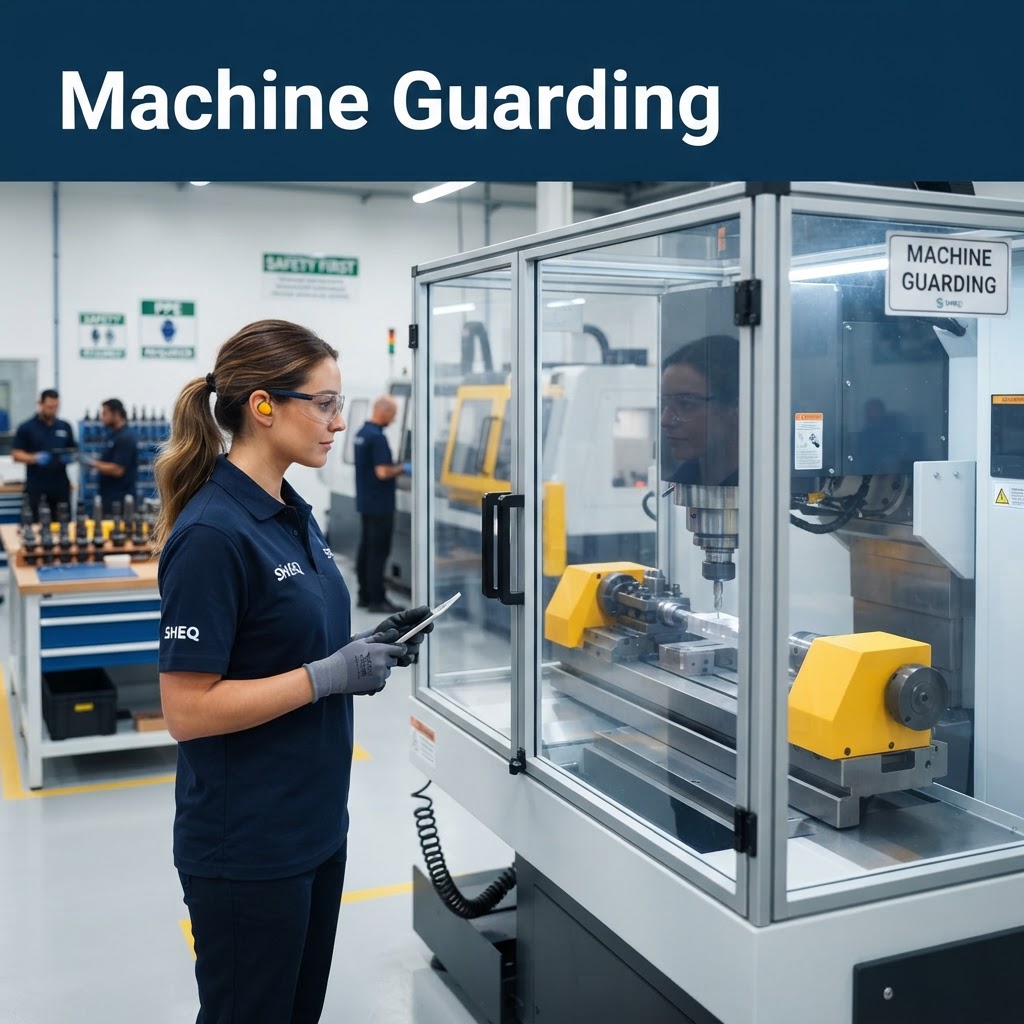
This toolbox topic outlines the G.U.A.R.D. safety system, a comprehensive approach to machine protection that focuses on physical barriers, isolation procedures, and the prevention of unauthorized access. Implementing these practices is critical for workplace safety, as it directly mitigates the risk of life-changing injuries, amputations, and fatalities associated with unguarded machinery.
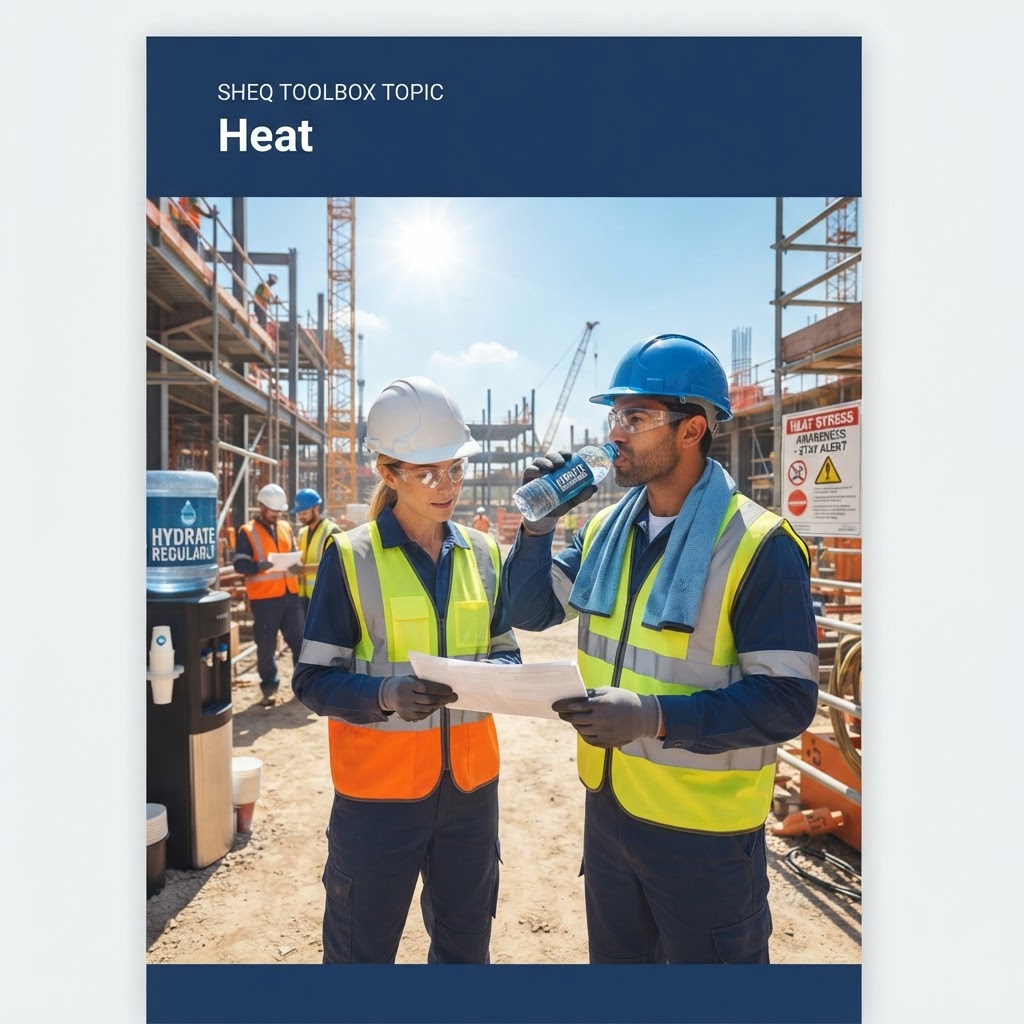
This toolbox topic provides essential guidance on identifying the signs of heat stress and implementing preventive measures like proper hydration and regular rest. It is a critical resource for maintaining workplace safety by ensuring employees can effectively mitigate heat-related risks and act quickly if symptoms arise.
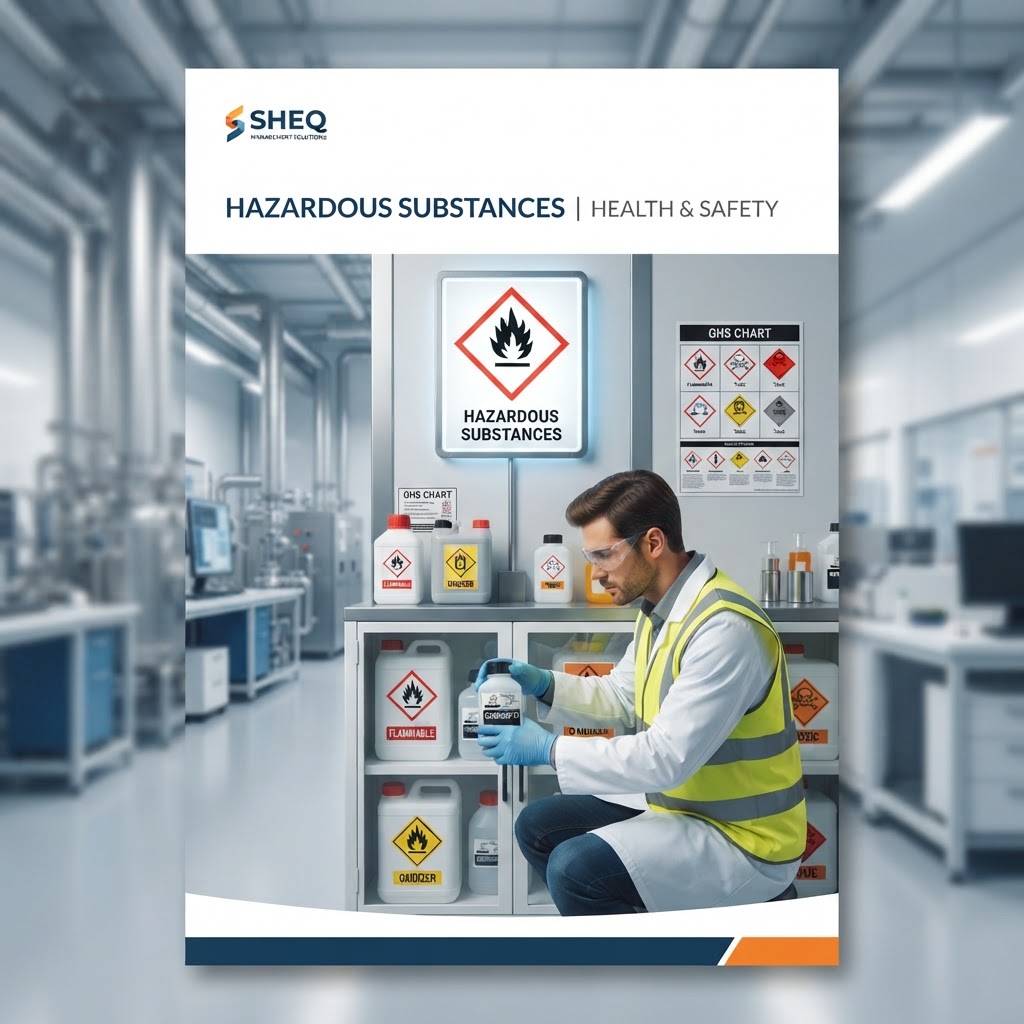
This toolbox topic outlines the "S.A.F.E." system for managing hazardous substances, covering essential practices like proper storage, spill containment, procedural compliance, and emergency preparedness. Implementing these measures is critical for minimising workplace risks, protecting personnel, and preventing environmental contamination.
This Hand Safety toolbox talk outlines key preventative measures, such as remaining aware of environmental hazards, using appropriate PPE, and avoiding rushed work practices. By implementing these practical safety habits, workers can significantly reduce the risk of debilitating hand injuries and ensure a safer, more productive workplace.
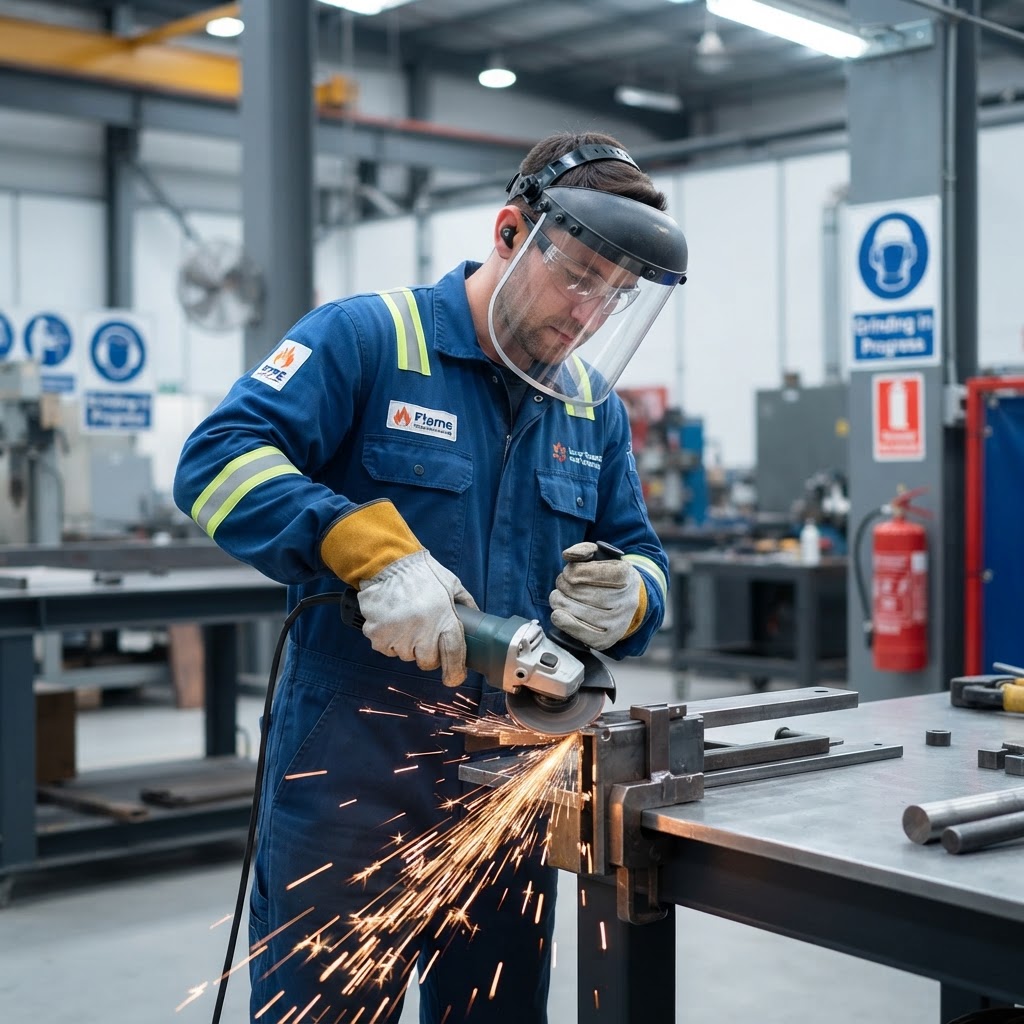
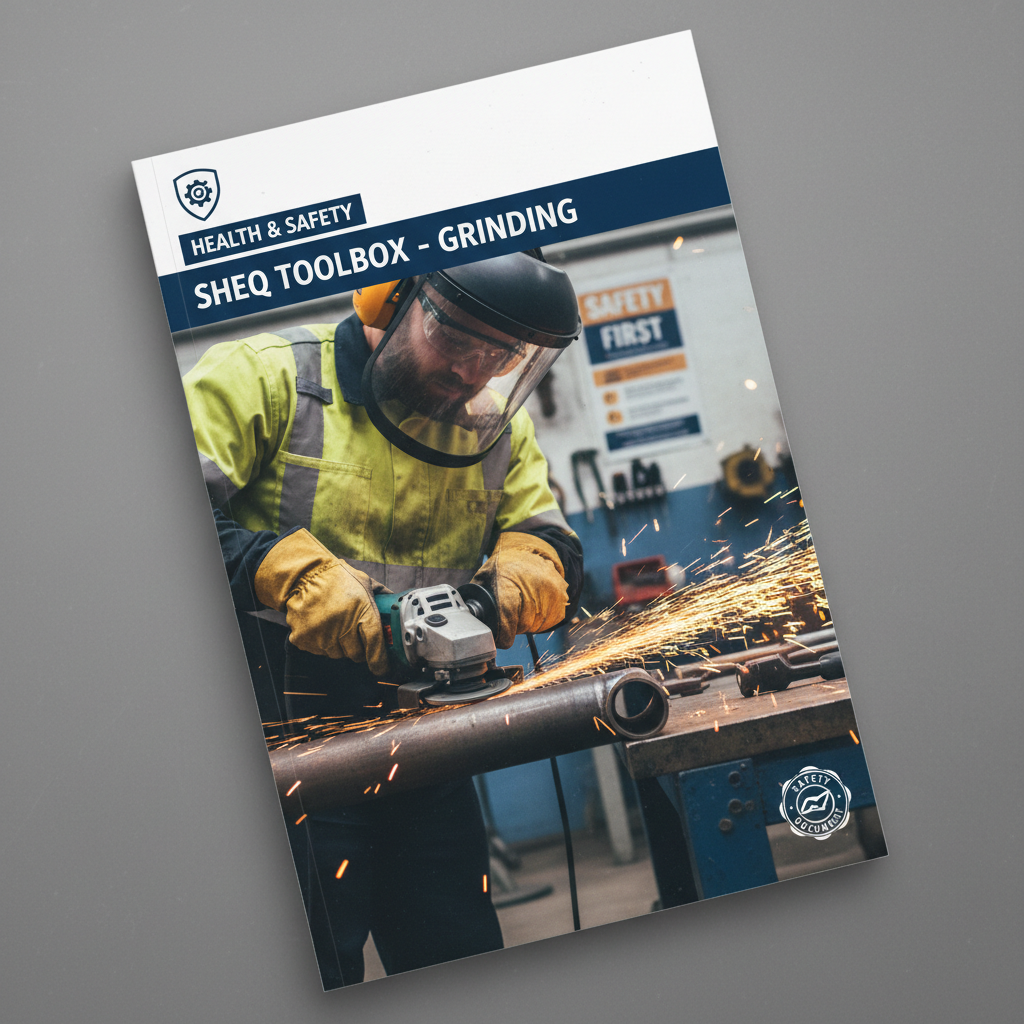
**Toolbox Topic: Grinding Safety** This topic outlines essential safety protocols for grinding operations, focusing on proper equipment inspection, correct usage techniques, and the mandatory use of appropriate PPE. Implementing these steps is critical for preventing serious injuries and ensuring a safe, controlled workspace for all personnel.
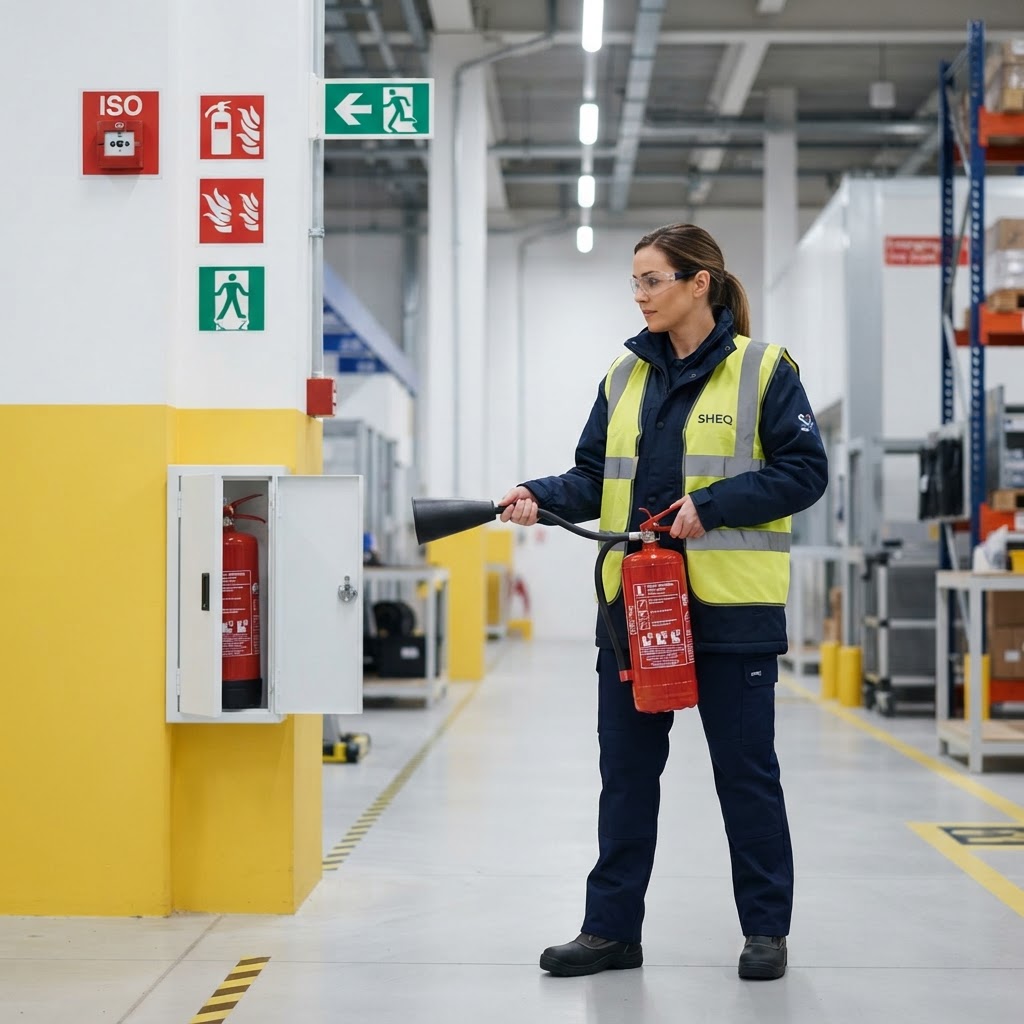
This toolbox topic, "Fire: Your Steps to Prevent and Respond," outlines the essential "FIRE" framework (Find, Improve, Respond, Evacuate) to help workers identify hazards and react appropriately during emergencies. Implementing these practices is vital for workplace safety, as it minimises fire risks through proactive housekeeping and ensures personnel are prepared to act decisively if an incident occurs.
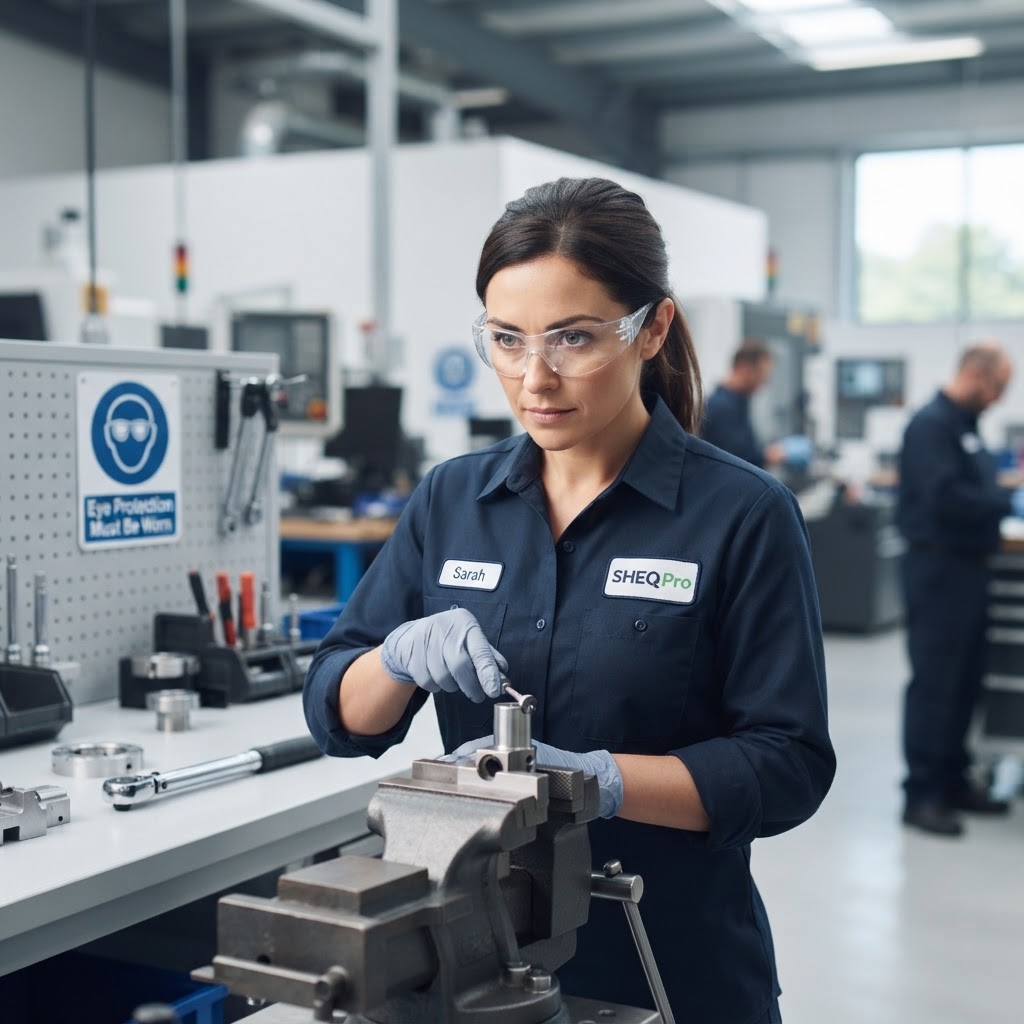
This toolbox topic introduces the S.E.E. (Shield, Eliminate, Emergency Ready) system as a practical framework for identifying and mitigating workplace eye hazards. By prioritising task-appropriate protection and emergency preparedness, this session helps personnel prevent life-altering injuries and maintain a safer work environment.
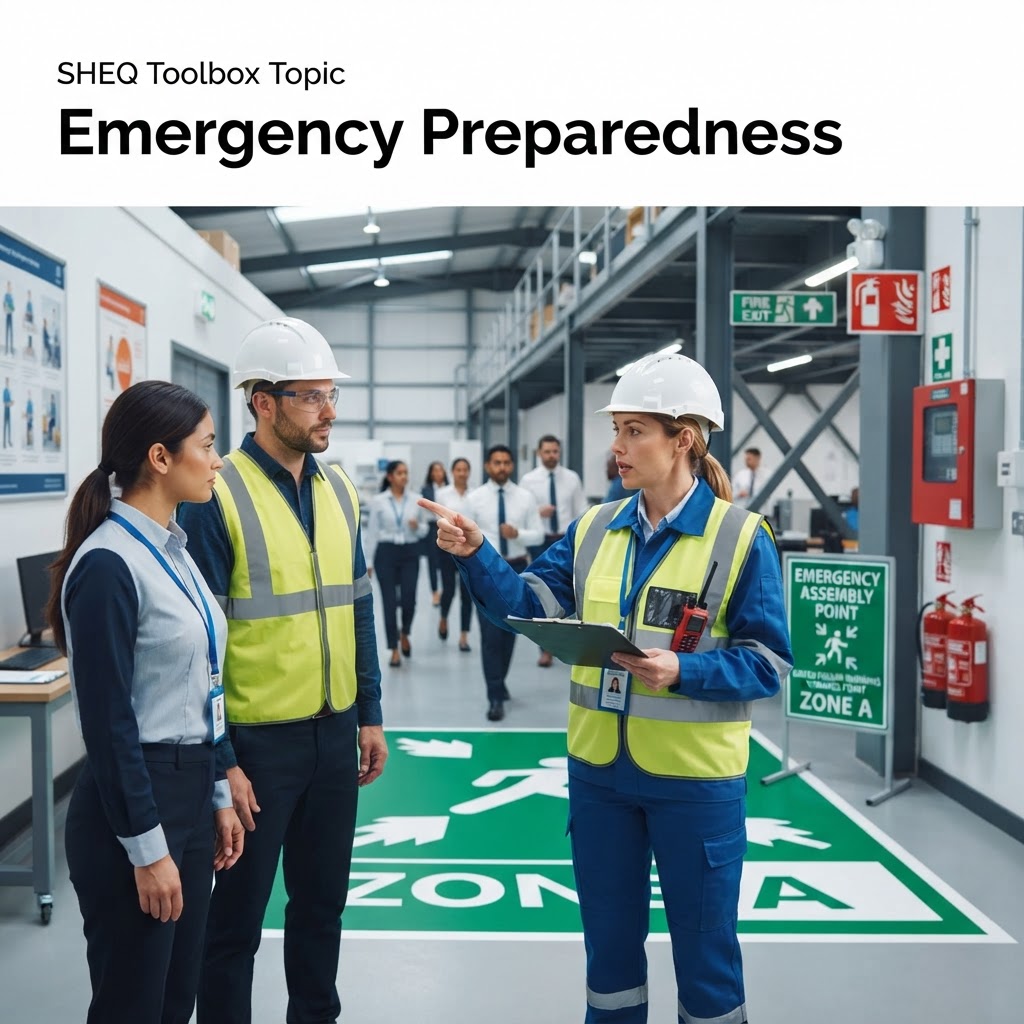
This toolbox topic outlines the R.E.A.D.Y. emergency response system, providing a clear framework for identifying hazards, evacuating safely, and coordinating effectively during a site emergency. Mastering these steps is vital for minimizing risks and ensuring that all personnel can act decisively to protect themselves and their colleagues when every second counts.
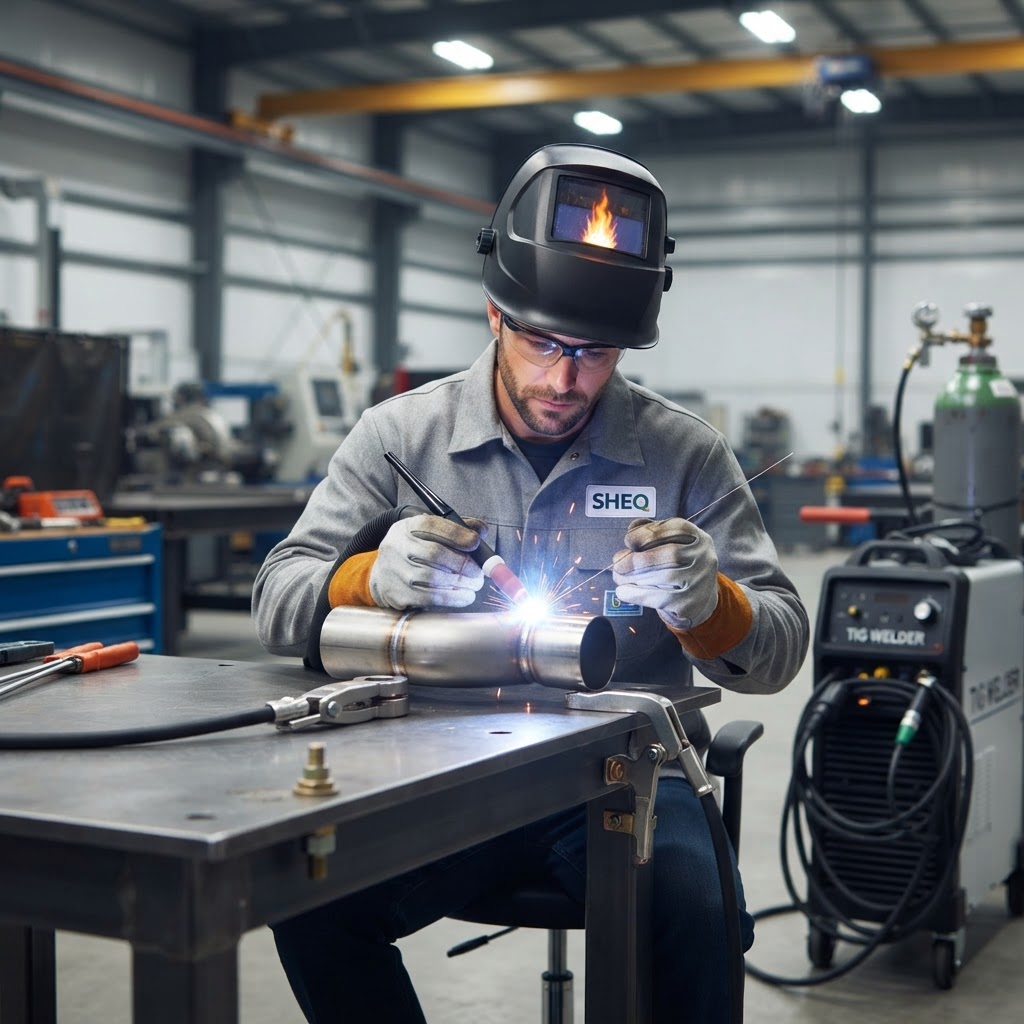
This toolbox topic outlines critical safety protocols for preventing and responding to electrocution risks during TIG welding, with a specific focus on the dangers of moisture and skin conductivity. It provides actionable guidance on risk mitigation and the correct emergency response steps, ensuring personnel are prepared to safely rescue a colleague in the event of an electrical accident.
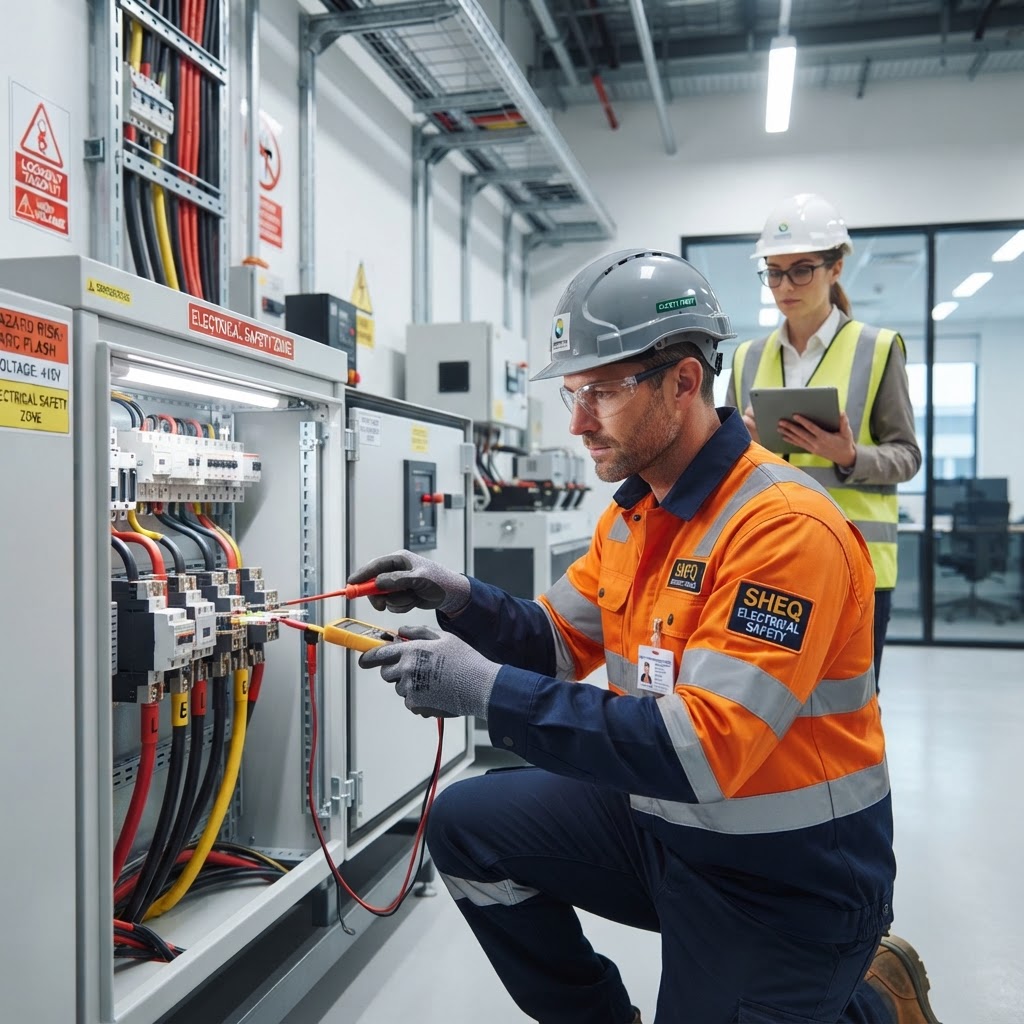
This Electrical Safety toolbox topic introduces the L.I.V.E. (Look, Isolate, Verify, Exclude) system to help workers systematically identify and manage electrical hazards. Implementing these practical steps is critical for preventing electrocution and ensuring a safe work environment by controlling energy sources and maintaining equipment integrity.
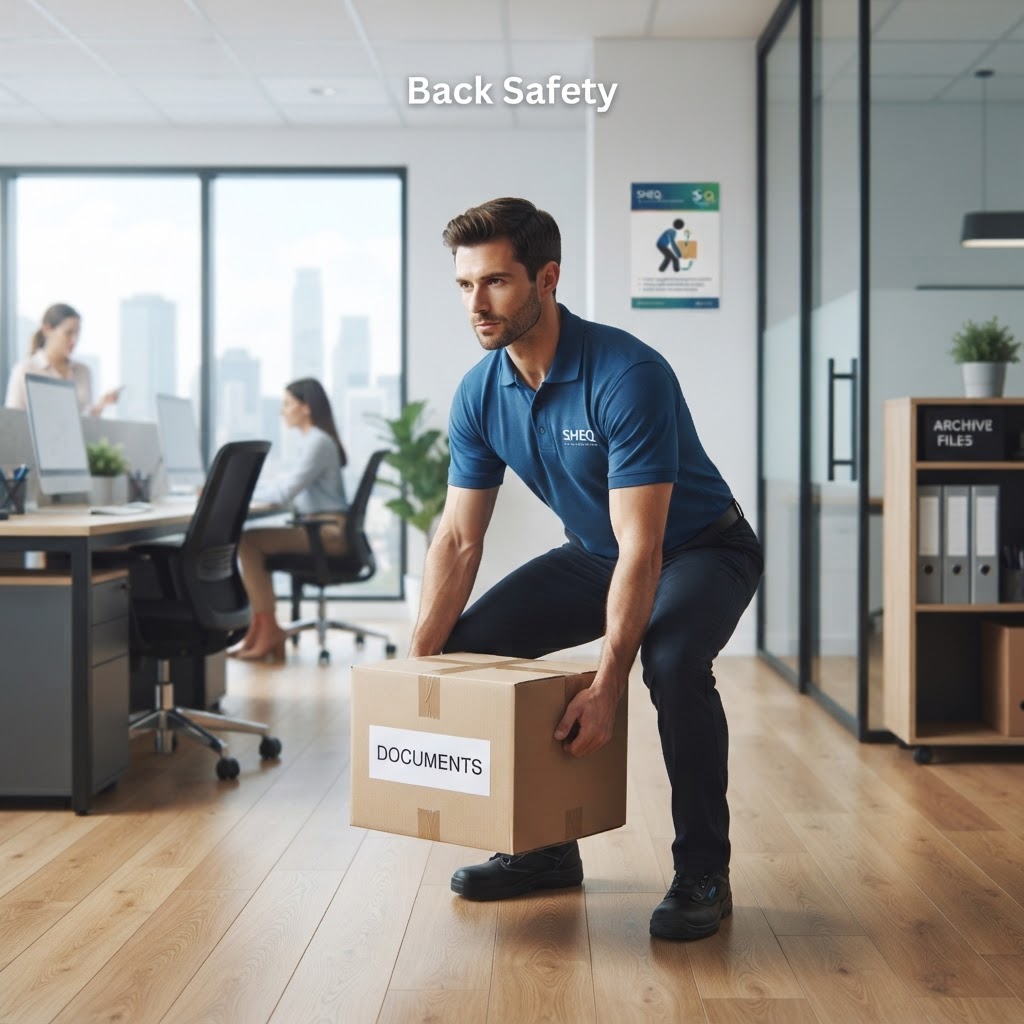
This toolbox topic covers essential techniques for manual handling and maintaining spinal health, including proper lifting posture and the use of mechanical aids. Implementing these practices is crucial for preventing common musculoskeletal injuries and ensuring long-term physical well-being in the workplace.
This topic covers the identification and management of psychosocial risks, such as excessive workload, bullying, and poor communication, which can negatively impact mental health and well-being. Proactively addressing these hazards is essential for meeting WHS obligations and reducing burnout, ultimately strengthening our workplace culture and overall safety performance.
This toolbox topic outlines the "SPARK" framework for safe grinding operations, covering essential pre-start inspections, mandatory personal protective equipment, and correct handling techniques. It is a critical resource for minimising high-risk hazards such as disc bursts, flying debris, and electrical faults to ensure a safer workspace for all personnel.